


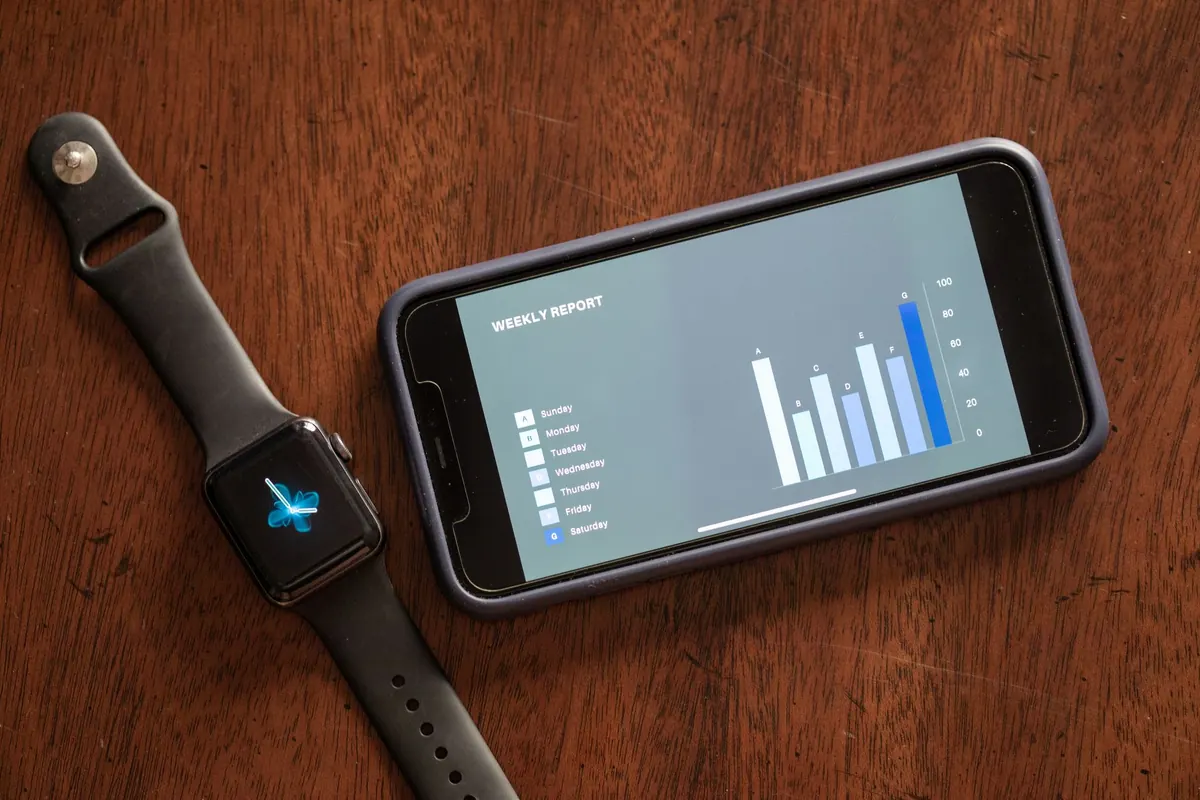
Smart Ring vs Smartwatch for Sleep and Recovery: Which Should You Wear?
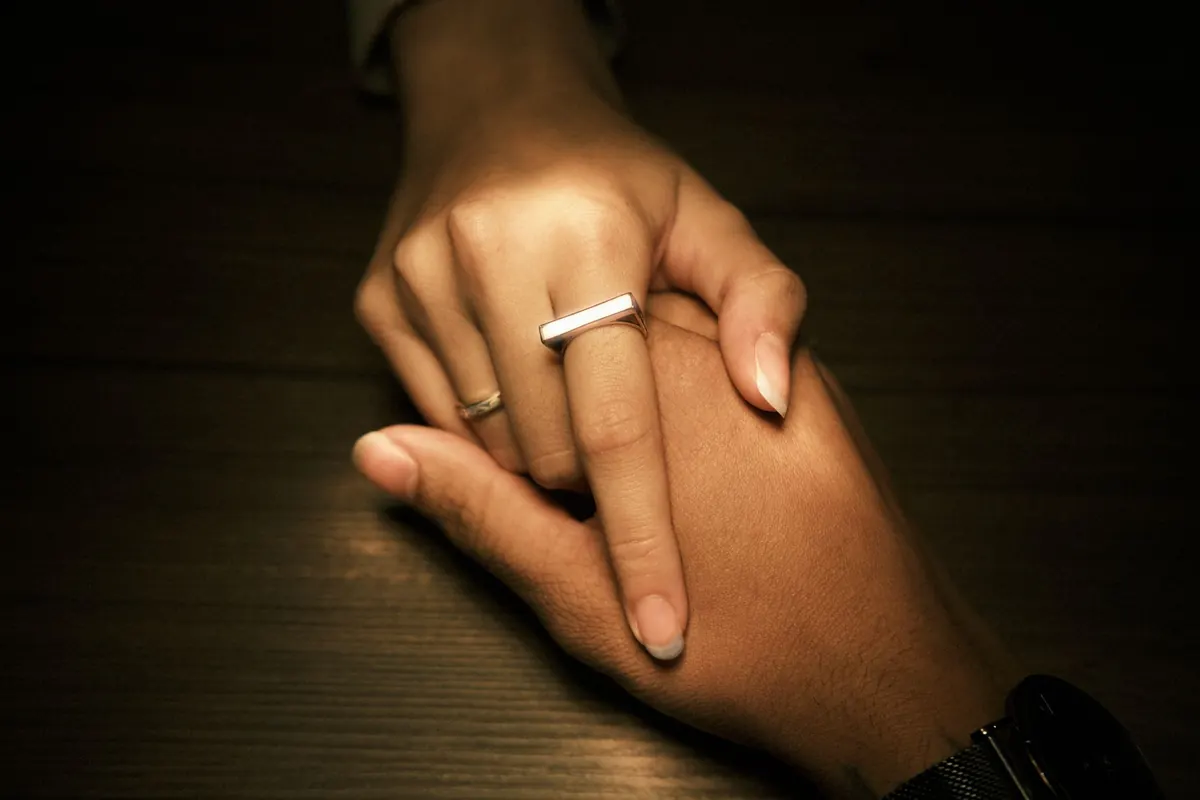
A smart ring and a smartwatch can both tell you that you slept badly. Only one of them will explain it in a way you actually act on, and which one that is depends less on the sensor than on how you live. Rings trade the screen for a slimmer package and tend to be better at reading overnight signals. Watches trade some of that subtlety for a display, GPS, and the ability to follow you into a workout. Here's the comparison, category by category, so the device you choose is one you'll still be wearing at midnight.
What Each Device Actually Measures
Both use the same basic trick: shine light into skin and watch how blood flow changes. A watch does this from the back of your wrist, where the sensor copes with arm movement, a looser fit, and vessels that sit deeper. A ring does it from the inside of a finger, where arteries are closer to the surface and the device barely moves because your hand is still while you sleep.
That difference shows up most in the small hours. Wrist trackers sometimes read still, awkwardly positioned arms as light sleep. Finger-based sensors usually hold the signal better.
Neither reads brain waves. Both infer sleep stages — light, deep, REM — from heart rate, heart rate variability, movement and, on some models, skin temperature. Treat the stage breakdown as a reasonable estimate and the long-term trend as the genuinely useful part.
Comfort at Night
The ring wins this one for most people. No clasp digging into your cheek, no metal pressing into the mattress when you roll onto your side with a hand under the pillow.
Two caveats. Fingers swell overnight and shrink in cold, so a ring that's snug at bedtime can feel tight by morning; most makers suggest moving it to a slightly larger finger when that happens. And take the sizing kit seriously. Wear the plastic sizer overnight before ordering rather than guessing from a string measurement.
Watches are fine for plenty of sleepers, but a bulky case and a metal band make it easy to leave the thing on the nightstand at 11 p.m. If that pattern sounds familiar, a fabric band will help more than a new device.
Battery Life and Charging Habits
- Rings: small batteries, no screen. Expect several days per charge, with short top-ups measured in under two hours. Many people charge while showering and rarely think about it.
- Watches: roughly a day and a half on a full-featured smartwatch, up to a week or more on fitness-focused models. GPS and always-on displays cut that sharply.
- The real cost: a watch that needs charging at bedtime comes off. A device left on the nightstand collects nothing.
Better habit: charge your watch during a fixed routine — shower and breakfast — instead of in the evening. Ring wearers should still open the app once a week; a dead ring in a drawer tells no story.
Data Depth: Where Each One Shines
Overnight recovery
Rings are built around the night. You'll get resting heart rate, heart rate variability, breathing rate, temperature deviation from your baseline, and a rolled-up readiness score. The better ones show the raw numbers rather than a single coloured circle.
All-day context
Watches collect more across the day: steps, active minutes, workouts, stairs, sometimes ECG readings and blood oxygen spot checks. That breadth is why they double as fitness and notification tools.
What actually matters
Consistency beats precision. A middling sensor worn every night for three months beats an excellent one worn twice a week. Make your chosen device the only source of truth for sleep — two apps producing conflicting scores will make you distrust both.
When comparing models, check:
- Whether it exports to Apple Health or Google Fit, so your history isn't trapped in one app.
- Whether HRV appears as a number or hides behind a proprietary score.
- Whether it logs naps and daytime stress, not just the overnight window.
- How it responds to disrupted nights — travel, illness, alcohol — and whether the baseline adjusts.
Workout Tracking: Not a Fair Fight
If you run, ride, swim or lift with any structure, the watch wins comfortably. You get GPS without your phone, a screen for pace and interval cues, physical buttons for laps, structured workout support and heart rate you can glance at mid-effort.
Rings can log a walk or an indoor session and give a decent picture of daily strain. But there's no screen, GPS usually comes from a paired phone, and grip-based training is a genuine problem. Kettlebells, barbells, rowing handles and pull-up bars press exactly where a ring sits. Most makers tell you to remove it for those, which is sensible: a deformed ring is an expensive mistake, and a swollen finger is worse.
Subscription Costs and Total Price
Hardware is only part of the bill. Several popular rings place their best insights behind a monthly fee. Basic sleep and step data may stay free while readiness scores, long-term trends and coaching sit behind the paywall. Watches generally bundle core health and sleep features with the device; optional premium tiers exist, but the essentials usually work without them.
Before you buy:
- Note the hardware price and the subscription price separately.
- Multiply the monthly fee by 36 and add it to the hardware.
- Ask what stops working if you cancel. If the answer is "most of it," the subscription is the real cost.
Terms change often, so check the current app listing and the manufacturer's site rather than trusting a review from two years ago.
Which One Should You Actually Wear?
Choose the ring if your priority is sleep and recovery, you dislike anything on your wrist at night, you already have a watch or phone for workouts, and a subscription doesn't bother you. Choose the watch if you want one device for training, sleep, notifications and payments, and you're willing to build a charging routine.
Wearing both is common and perfectly reasonable — just decide which one is your source of truth for sleep. Two readiness scores disagreeing on a Monday morning will only make you obsess over numbers that are estimates anyway.
A few closing rules that apply either way:
- Give it two weeks before judging it; baselines need time to form.
- Compare your score to how you feel, never to someone else's score.
- Change one variable at a time — caffeine cutoff, bedtime, alcohol — and watch what moves.
- Keep the sensor clean. Oils and lotion degrade the optical signal.
One last thing: consumer wearables are not medical devices. If you snore heavily, wake gasping, feel exhausted after seven or eight hours in bed, or notice palpitations, speak to a doctor rather than tweaking your sleep score. A tracker can start that conversation, but it can't replace it.
Photo: Felipe Barboza / Pexels